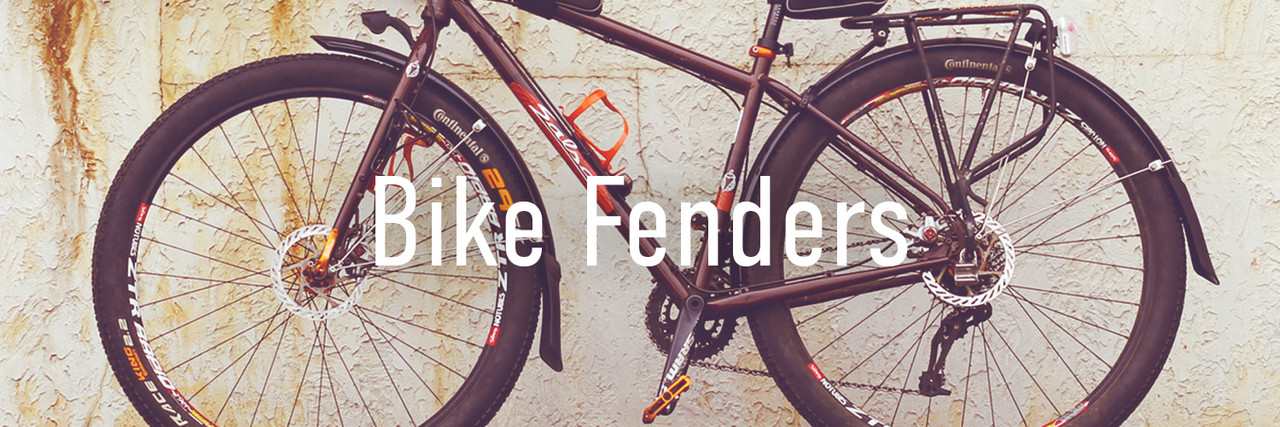
Bike fenders block water, mud, and road debris thrown from rotating tires. They help keep riders, bicycles, and drivetrain components cleaner during wet rides.
Yes. Fenders improve comfort in rainy conditions, reduce cleaning time, and limit dirt reaching moving parts such as chains, cassettes, and bearings.
Many bicycles can accept fenders, although compatibility depends on wheel size, tire width, frame clearance, and mounting locations. Bikes without eyelets may use clip-on models designed for quick installation.
Full-coverage fenders provide the greatest protection for commuting. They reduce front- and rear-wheel spray during daily rides and perform well on paved roads.
Clip-on fenders provide effective protection for occasional wet rides. They install quickly, remove easily, and suit bicycles without traditional mounting points.
Mountain bike fenders reduce mud buildup and protect riders from trail spray. Compact designs provide generous clearance for larger tires and muddy terrain.
Choose fenders that match your wheel size. We offer fenders for 26”, 650B/27.5”, and 700c/29” wheel diameters. We offer several widths of 700c fenders, and it is important to select a fender width that is at least 10mm wider than your tire width. Check the maximum tire width recommendation on the fender product page. If your tires exceed our recommended maximum tire width, do not install fenders.
Yes. Fenders limit the amount of dirt, sand, and water reaching the drivetrain and bearings. Cleaner components require less frequent cleaning and experience less wear.
There must be a minimum clearance of 10 mm between the tire and fender. If you do not have this clearance, fender use is not recommended.
Clean fenders with water after muddy rides, inspect mounting hardware regularly, and verify that the fenders remain properly aligned with the wheels. Tightening loose hardware and removing trapped debris help maintain reliable performance.