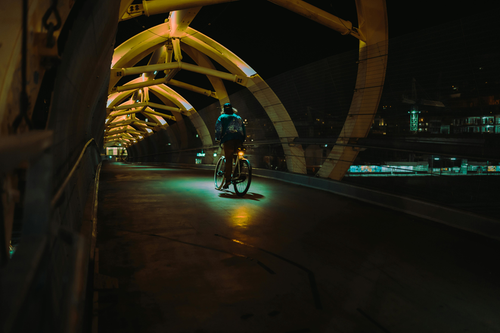
The Importance of Bike Lights for Safety and Visibility
Posted on May 22nd 2026 |Cycling starts long before sunrise for many commuters and often ends after sunset for recreational riders. Changing weather, shaded roads, and busy intersections also reduce visibility during daytime rides. Reliable bike lights help cyclists stay visible in every condition while giving riders a better view of the road ahead.
At Planet Bike, our team sees lighting as a practical part of every ride. Strong front and rear illumination supports safer travel in urban traffic, rural roads, bike paths, and neighborhood streets. Good lighting also helps drivers, pedestrians, and fellow cyclists react sooner and share space more comfortably.
Visibility During Every Ride
Many cycling accidents happen because the rider is difficult to see. Cars turning through intersections, drivers opening doors, and low-light conditions all create risks. Proper lighting improves reaction time for everyone nearby.
Front lights help riders identify potholes, debris, and uneven pavement. Rear lights alert drivers from a distance and provide a clear point of reference in traffic. Flashing modes attract attention during daylight rides, while steady beams support visibility at night.
Cyclists often assume visibility concerns only apply after dark. In reality, fog, rain, tree cover, and overcast skies reduce contrast throughout the day. A bright rear flasher during morning traffic can increase awareness in crowded streets and parking areas.
Common Situations Where Lights Improve Safety
- Early morning commutes
- Evening group rides
- Rainy or foggy weather
- Urban intersections
- Shared bike and pedestrian trails
- Rural roads without streetlights
- Tunnel crossings and shaded roads
At Planet Bike, our team encourages cyclists to carry lights year-round instead of limiting them to winter months. Consistent use builds safer habits and improves visibility across all riding conditions.
Choosing the Right Lighting Setup
Different riding environments require different levels of brightness and beam patterns. A city commuter often needs a compact setup with wide visibility angles. Trail riders usually need stronger output for dark paths and uneven terrain.
Several factors influence light performance:
Brightness
Brightness is measured in lumens. Lower lumen counts work well for daytime flashing and lit city streets. Higher outputs support faster riding speeds and darker roads.
Beam Shape
Wide beams help riders remain visible from side angles at intersections. Focused beams project farther ahead for unlit roads and nighttime rides.
Battery Life
Rechargeable systems reduce waste and support regular riding schedules. Long battery life matters for commuters and touring cyclists covering extended distances.
Mounting Stability
Secure mounting systems prevent shifting on rough pavement or gravel surfaces. Stable positioning keeps the beam directed correctly throughout the ride.
Many cyclists carry backup charging cables or secondary lights during long rides. Small emergency lights also help in case of weather or route changes that extend riding time after sunset.
Daytime Visibility Is Growing in Importance
Daytime running lights have become common on vehicles because visibility improves even under bright skies. Cycling follows the same principle. Flashing front and rear lights during daytime hours draw attention from farther away and help drivers judge distance more accurately.
Research from transportation safety organizations has encouraged more cyclists to use daytime lighting systems. Busy suburban roads and multi-lane intersections create visual clutter that can hide riders among traffic signs, parked vehicles, and changing shadows.
At Planet Bike, our products have practical visibility features such as side illumination, weather resistance, and flexible mounting options. Riders benefit from systems that stay dependable through changing seasons and daily commuting schedules.
Weather Conditions Create Additional Challenges
Rain and fog affect both visibility and road traction. Water on pavement reflects headlights and streetlights, making cyclists harder to identify quickly. Strong lighting helps riders stand out in poor weather.
Cold temperatures also influence battery performance. Rechargeable systems may lose power faster during winter rides. Keeping lights charged before each trip supports consistent output and reduces mid-ride failures.
Cyclists riding in wet conditions should look for features such as:
- Water-resistant housing
- Secure charging ports
- Easy-to-operate buttons with gloves
- Durable mounting straps
- Long-lasting battery performance
Reliable equipment reduces distractions during difficult weather and allows riders to focus fully on traffic conditions.
Bike Light Regulations and Laws for Cyclists in the US
Lighting requirements vary across states, though many laws follow similar guidelines. Most states require a white front light visible from a specified distance during nighttime riding. Rear visibility rules often include a red rear light, red reflector, or both.
Cyclists should always check local and state regulations before riding after dark. Some municipalities add specific requirements for flashing modes, reflector placement, or side visibility.
Common US Lighting Requirements
Many state laws include the following standards:
- White front light visible from at least 500 feet
- Red rear reflector visible from vehicle headlights
- The rear red light visible from several hundred feet
- Lights are required between sunset and sunrise
- Additional visibility requirements during poor weather
Certain states also regulate flashing light colors and mounting positions. Blue lighting, for example, may be restricted because it resembles emergency vehicle equipment.
Commuters crossing state lines or traveling with bikes should review regulations before riding in unfamiliar areas. Local cycling organizations and transportation departments often publish updated summaries online.
We encourage riders to treat legal requirements as a starting point rather than a final goal. Visibility from multiple angles often improves rider safety beyond minimum standards.
Maintenance Helps Lights Perform Properly
Lighting systems need regular inspection just like tires and brakes. Dirty lenses reduce brightness and weaken visibility. Loose mounts can shift during rides and misdirect the beam.
A quick pre-ride inspection helps prevent problems later. Riders should confirm:
- Battery charge level
- Secure mounting position
- Clean lens surfaces
- Proper beam direction
- Functional charging cables
Rechargeable systems benefit from routine charging instead of complete battery drain cycles. Consistent care supports longer service life and dependable performance.
Building Safer Riding Habits
Lighting supports awareness for everyone sharing the road. Drivers identify cyclists earlier, pedestrians notice approaching riders sooner, and cyclists gain better visibility of road hazards.
Many experienced riders keep compact backup lights in commuting bags or saddle packs. Small emergency systems provide extra security during unexpected delays or changing weather.
Bike lights also encourage confidence during early morning commutes and evening rides. Better visibility helps riders maintain predictable movement in traffic while improving awareness across crowded streets and intersections.
Here at Planet Bike, we believe that practical lighting equipment belongs on every bike, regardless of riding style or distance. Reliable visibility supports safer roads, smoother commutes, and more enjoyable rides.